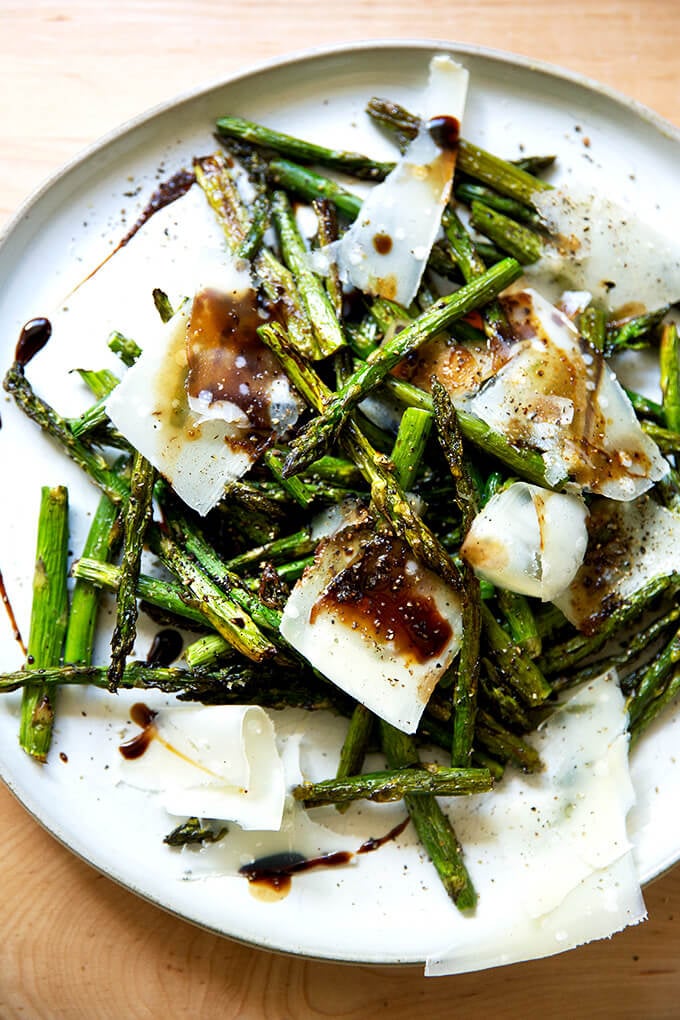
The Allure of Simple Roasted Asparagus with Balsamic and Parmesan
There are some dishes so inherently simple, yet so profoundly satisfying, that they become instant classics in any home kitchen. Our featured recipe for simple roasted asparagus with balsamic and parmesan is precisely that. It transforms fresh, vibrant asparagus spears into an elegant, flavorful side dish with minimal effort and maximum impact. Whether you're planning a quick weeknight meal or a sophisticated dinner party, this versatile recipe promises to deliver a delightful culinary experience.
The beauty of this dish lies in its core components: the crisp-tender texture of perfectly roasted asparagus, the nutty, salty punch of fresh Parmesan cheese, and the sweet, tangy finish of balsamic vinegar. It's a harmonious blend of flavors and textures that elevates the natural taste of spring's bounty, making vegetables not just a healthy choice, but a truly enjoyable one.
Perfecting Your Asparagus Prep
Before the magic of roasting begins, proper preparation of your asparagus is key. Start with about a pound of fresh asparagus spears. Look for firm, bright green stalks with tight tips. The references highlight the importance of careful preparation, and we agree!
- Snapping the Ends: The easiest way to remove the tough, woody bottom of an asparagus spear is to gently bend it until it naturally snaps. This usually breaks off just the right amount. While some chefs insist on peeling the bottom halves of thicker spears for even cooking, snapping is a perfectly acceptable and quick method for most home cooks.
- Storing for Freshness: To keep your asparagus fresh, store it like a bouquet of flowers! Trim the ends slightly, place the spears upright in a jar or cup with about an inch of water at the bottom, and cover loosely with a plastic bag. Keep it in the refrigerator (or even at room temperature for a few days, as some advise). This method helps them stay crisp and hydrated.
- Cutting for Uniformity: After snapping, you might want to cut longer spears in half to ensure they fit comfortably on your baking sheet and cook evenly.
Once prepped, simply toss the asparagus spears with a generous drizzle of good quality olive oil, a pinch of sea salt, and freshly cracked black pepper. This simple seasoning allows the asparagus's natural flavor to shine through.
The Balsamic Conundrum: Aged Elegance vs. DIY Brilliance
The true star that elevates this simple roasted asparagus with balsamic and parmesan is the balsamic vinegar. But here's where things get interesting – and where you have choices. The reference context brings up a critical point: the difference between pricey aged balsamic and a homemade reduction. Let's delve into this balsamic debate.
The Splurge: True Aged Balsamic Vinegar
Authentic, traditionally aged balsamic vinegar from Modena or Reggio Emilia, Italy, is a culinary marvel. Often labeled "Aceto Balsamico Tradizionale" with a DOP (Protected Designation of Origin) seal, these vinegars are aged for a minimum of 12 years (often 25 or more) in a series of different wooden barrels. The result is a thick, syrupy, incredibly complex elixir with a rich depth of flavor that balances sweetness, acidity, and woody notes. It's meant to be savored, often drizzled sparingly over dishes as a finishing touch.
Pros: Unparalleled flavor complexity, luxurious texture, a true gourmet experience. Cons: Extremely expensive, often costing hundreds of dollars for a small bottle. When to use: For special occasions, when you want the balsamic to be the absolute star, or if you simply appreciate and can afford the finest.
The Smart Alternative: Homemade Balsamic Glaze
For most of us, spending a small fortune on a bottle of aged balsamic isn't practical for everyday cooking. This is where the magic of a homemade balsamic glaze comes in – a fantastic, affordable alternative that still delivers incredible flavor and that coveted syrupy texture. The reference insightfully points out that you can simply reduce standard balsamic vinegar on the stovetop.
How to make DIY Balsamic Glaze:
- Take about 1/4 to 1/2 cup of good quality, but standard, balsamic vinegar (not the cheapest kind, but definitely not the aged stuff).
- Pour it into a small saucepan over medium-low heat.
- Bring it to a gentle simmer, then reduce the heat to low.
- Let it gently bubble and reduce for 5-10 minutes, stirring occasionally. It's ready when it coats the back of a spoon and has a syrupy consistency. It will thicken further as it cools.
- Be careful not to over-reduce it, or it will become too thick and solidify.
Pros: Much more affordable, easy to make, provides a beautiful syrupy texture and concentrated flavor, great for everyday use. Cons: Lacks the extreme complexity of true aged balsamic, but still delicious. When to use: For nearly all applications where you want a sweet, tangy, and visually appealing balsamic drizzle – including our simple roasted asparagus with balsamic and parmesan.
For this recipe, either option works beautifully, but the homemade balsamic glaze provides an excellent balance of cost, effort, and deliciousness.
Crafting Your Perfect Roasted Asparagus with Balsamic and Parmesan
Here’s how to bring together all these wonderful elements into a truly irresistible side dish. This process is so straightforward, you’ll wonder why you haven’t made it every week!
Ingredients:
- 1 lb fresh asparagus spears, tough ends snapped off
- 2-3 tablespoons extra virgin olive oil
- 1/2 teaspoon sea salt, or to taste
- 1/4 teaspoon freshly cracked black pepper, plus more for garnish
- 1/4 cup balsamic vinegar (for homemade glaze) OR 2-3 tablespoons aged balsamic vinegar
- 1/4 cup freshly shaved Parmesan cheese (or finely grated)
- Optional: 1-2 cloves garlic, minced (toss with asparagus before roasting)
- Optional: 2 tablespoons toasted pine nuts (for added crunch, as suggested in the references)
Instructions:
- Preheat Oven & Prep Asparagus: Preheat your oven to 400°F (200°C). If making homemade balsamic glaze, start it now (see instructions above) and set aside to cool slightly.
- Season Asparagus: On a large baking sheet (or a 9x13-inch baking dish), arrange the asparagus in a single layer. Drizzle generously with olive oil, sprinkle with salt, and black pepper. If using, add minced garlic and toss everything gently to coat evenly.
- Roast to Perfection: Transfer the baking sheet to the preheated oven. Roast for 15-20 minutes, or until the asparagus is tender-crisp and the tips are just beginning to char. The exact time will depend on the thickness of your spears.
- Assemble & Serve: Carefully transfer the roasted asparagus to a serving platter. Immediately shave or sprinkle Parmesan cheese generously over the warm spears. The heat will slightly melt the cheese, enhancing its flavor.
- Drizzle with Balsamic: Drizzle the aged balsamic vinegar or homemade balsamic glaze over the asparagus and Parmesan. Be generous but mindful – a little goes a long way with concentrated flavors.
- Final Touches: Season again with a final flourish of freshly cracked black pepper. For extra texture and nutty flavor, sprinkle with toasted pine nuts if using.
- Devour Immediately: Serve your Quick & Easy Roasted Asparagus with Balsamic Parmesan immediately and enjoy its simplicity and elegance!
Tips for Success & Delicious Variations
This Elevate Sides: Roasted Asparagus with Balsamic Glaze & Parmesan recipe is incredibly forgiving and open to delicious interpretations:
- Don't Crowd the Pan: For best results and even charring, ensure your asparagus has enough space on the baking sheet. If necessary, use two sheets.
- Parmesan Perfection: Shaved Parmesan offers a beautiful presentation and distinct bursts of salty flavor. If you prefer, finely grated Parmesan will melt more evenly and coat the spears completely.
- Add a Citrus Brightness: A squeeze of fresh lemon juice over the finished dish can add another layer of acidity and freshness, complementing the balsamic beautifully.
- Spice it Up: A pinch of red pepper flakes tossed with the asparagus before roasting can add a subtle kick.
- Herbal Infusion: Fresh herbs like chopped thyme or rosemary can be tossed with the asparagus before roasting, or fresh basil can be sprinkled on at the end.
- Serving Suggestions: This dish makes a fantastic side for roasted chicken, grilled fish, steak, or even as a light vegetarian appetizer. It pairs well with almost any main course.
- Nutritional Value: Asparagus is a powerhouse of nutrients, including vitamins K, A, C, and folate, as well as fiber. This preparation method keeps it light and healthy, making it a guilt-free indulgence.
Whether you opt for the opulent drizzle of true aged balsamic or the ingenious simplicity of a homemade glaze, this recipe for simple roasted asparagus with balsamic and parmesan is a testament to how easily healthy eating can be elevated to gourmet status. It's a dish that balances elegance with approachability, proving that some of the best culinary experiences come from the simplest ingredients and techniques. Enjoy the fresh flavors of spring, any time of year!
